
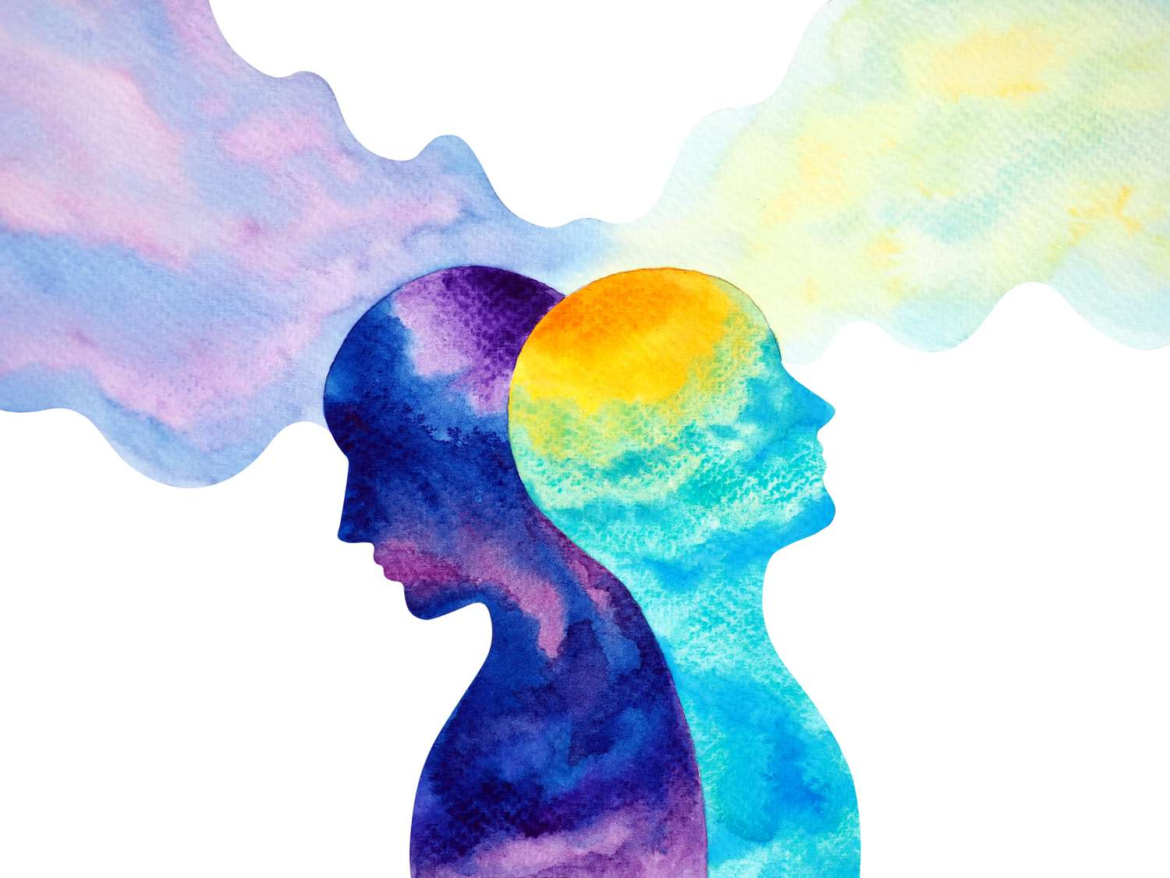
Bipolar disorder is a mental health condition that affects the brain, causing intense mood changes. These changes go beyond normal ups and downs, lasting from days to even weeks. They primarily affect how a person thinks, feels, and acts. Bipolar disorder causes two main mood states: mania (high energy) and depression (low energy). A person may have periods of one, the other, or a mix of both.
Mania (Highs)
• Feeling extremely happy, excited, or irritable
• Needing little or no sleep
• Talking fast or jumping from topic to topic
• Taking big risks (spending a lot of money, unsafe behavior)
Depression (Lows)
• Feeling very sad or hopeless
• Sleeping too much or too little
• Having low energy or trouble focusing
• Losing interest in activities once enjoyed
Types of Bipolar Disorder
• Bipolar I: At least one episode of mania, often with depression.
• Bipolar II: Hypomania (milder highs) with depression.
• Cyclothymic Disorder: Ongoing mood swings that are less severe but last a long time.
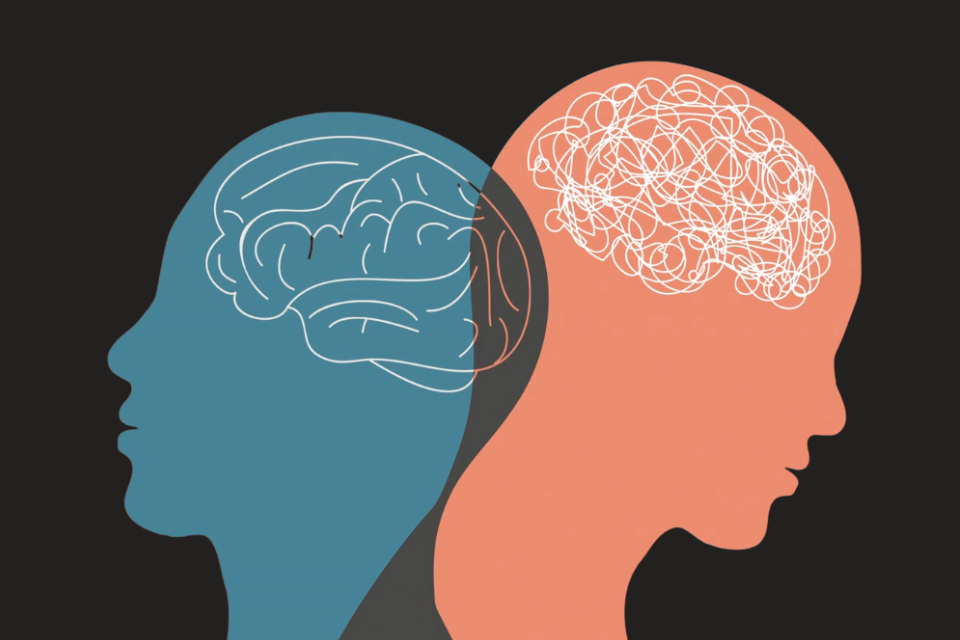
What Causes Bipolar Disorder?
The cause(s) of bipolar disorder is not currently known. Researches have hypothesized that the following are the most likely cause: genetics, brain chemistry, stress, and trauma.
How Is Bipolar Disorder Treated?
Bipolar Disorder is treatable. Many with Bipolar Disorder have lived full, successful lives; the primary factor that influences this outcome is the proper care. Treatment of Bipolar Disorder may include the following:
• Medication: mood stabilizers, antidepressants, or other medicines prescribed by a doctor.
• Therapy: such as cognitive behavioral therapy (CBT) or supportive counseling.
• Lifestyle changes: regular sleep, healthy diet, and daily routines.
• Support system: friends and family who understand the condition.
With treatment and support, people with bipolar disorder can manage their symptoms and achieve stability. The key is early diagnosis, consistent care, and understanding from loved ones. If you or someone you know shows signs of bipolar disorder, reach out to a mental health professional. Early help can prevent symptoms from getting worse.

Dr. Nepal, MD
Dr. Nepal has been practicing as a Psychiatrist for over 5 years, and always looks forward to helping navigate the healing process. She has worked with both children and adults, and prides herself on ensuring a positive outcome for her patients.